
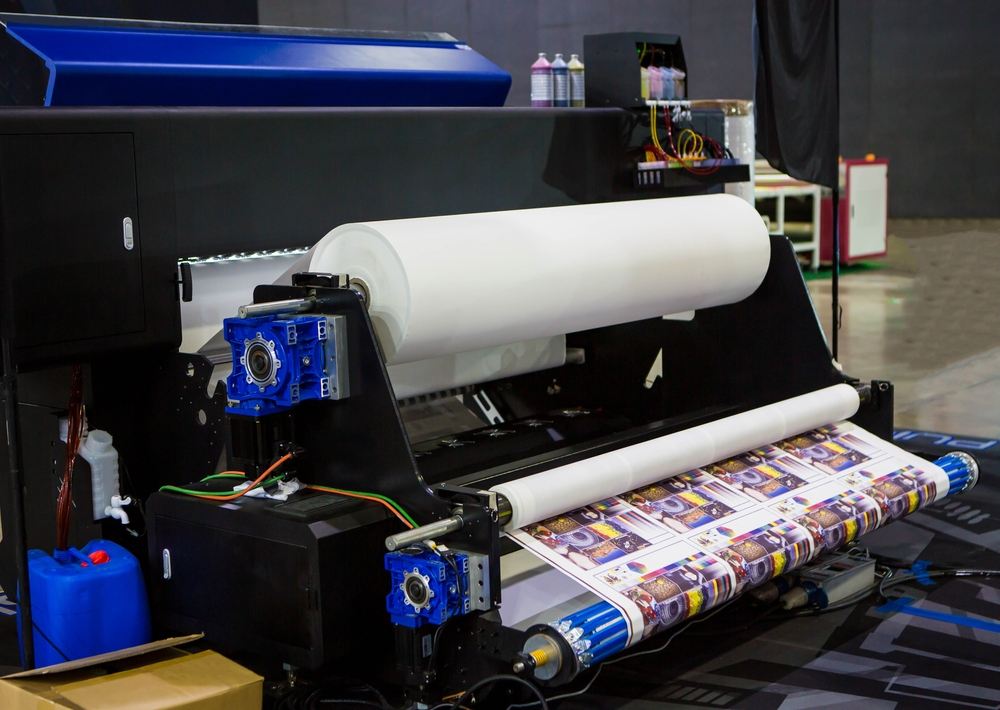
Launching your own sublimation printing business can be one of the most rewarding, flexible, and creative ventures in the world of personalised products. With relatively low start-up costs, high demand for customisation, and the ability to work from home, sublimation has opened the door for thousands of new entrepreneurs.
In this guide, we’ll walk through what you need to start, the products you can offer, potential challenges to plan for, and how to grow your brand in a competitive marketplace. If you’re not yet familiar with the basics, start by understanding what dye sublimation printing is and why it’s ideal for custom product creation.
Why Choose Sublimation for Your Business?
Sublimation is popular because it produces high-resolution, full-colour prints that won’t fade, peel, or crack. The designs are infused directly into the surface of polyester fabrics or polymer-coated items, which means they’re long-lasting and professional in appearance.
Whether you’re printing photo gifts, sportswear, or branded merchandise, sublimation offers:
- Low material waste
- On-demand printing with no stockholding
- Minimal space requirements
- Rapid fulfilment for online orders
- Scalable options as your business grows
What You’ll Need to Get Started
The core setup for a home-based sublimation business includes:
- Sublimation Printer
Choose an entry-level sublimation printer like the Epson EcoTank (converted with sublimation ink) or a purpose-built model like a Sawgrass SG500. - Sublimation Inks
Only use inks designed for sublimation — they turn into gas under heat and bond to compatible materials. - Transfer Paper
Special sublimation paper is required to hold and release the ink properly during heat pressing. - Heat Press
Choose a flat press for shirts and fabric items, or a mug/tumbler press for rounded blanks. Swing-away models offer the most flexibility. - Blanks (Products to Print On)
Start with a few common items: white polyester t-shirts, ceramic mugs with polymer coating, mouse pads, tote bags, or aluminium panels. - Design Software
You’ll need tools to create your designs — free programs like Canva can work well, or go with Adobe Illustrator or Photoshop for more control. - Protective and Finishing Tools
Items like heat-resistant tape, butcher paper, and Teflon sheets will help ensure clean, safe transfers.
What Can You Sell?
Once you’ve mastered the process, your product range can expand quickly. Some of the most popular sublimation items include:
- Custom mugs, tumblers, and coasters
- Personalised t-shirts, hoodies, and tote bags
- Sports and school uniforms
- Branded lanyards and keyrings
- Photo gifts like cushions, puzzles, and clocks
- Aluminium wall art and metal photo prints
You can specialise in niches like pet lovers, weddings, teachers, local events, or pop culture. The more specific your niche, the easier it is to build a loyal customer base.
Selling Your Products
Many sublimation businesses start by selling on platforms such as:
- Etsy
- Amazon Handmade
- eBay
- Facebook Marketplace
- Their own Shopify or Wix store
Use social media to build an audience, especially Instagram and TikTok, where visual content thrives. Showcase your printing process, custom orders, packaging, and customer reviews.
Don’t forget to focus on SEO. Use relevant keywords in your listings like “custom mugs,” “personalised gifts,” or “printed baby bodysuits.” If you operate locally, consider listing your services on Google Business Profile to attract regional buyers.
Challenges to Expect
While sublimation has many benefits, there are a few important limitations to remember:
- Only works on polyester or polymer-coated materials
- Doesn’t print white ink, so designs need to suit light-coloured backgrounds
- Initial learning curve with heat settings and colour accuracy
- Potential for waste if prints are misaligned or incorrectly sized
By taking your time to learn and practise, most of these challenges are easily managed.
Tips for Long-Term Success
- Test new products before offering them publicly
- Invest in better equipment as you grow
- Offer bundle deals or gift sets to increase order value
- Encourage customer reviews and referrals
- Stay up to date with seasonal trends and product ideas
- Use mockup generators or photo editing to display products professionally
Final Thoughts
Starting a sublimation business can be a fun and profitable way to tap into the booming custom product market. It’s affordable, scalable, and creative — and with the right tools and marketing, your brand can stand out.
To dive deeper into the process, materials, and science behind it, visit our detailed page on what sublimation printing is and how to get started with confidence.